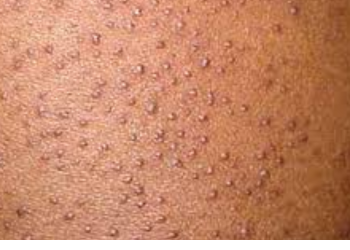
Vulvitis is inflammation in your vulva, or your genitals. Vulva includes the soft folds of skin
that surround your vagina, including your labia majora (the outer folds), labia
minora (vaginal lips) and your clitoris. Vulva may become inflamed because of
an infection, allergic reaction or injury that irritates your skin.
Difference between vulvitis and vaginitis
Both vulvitis and vaginitis describe inflammation that
affects your reproductive parts. Vulvitis refers to
inflammation affecting your genitals, or vulva, the outer part of your
reproductive anatomy. Vaginitis refers to inflammation that affects your vagina
inside your body. Inflammation affecting both your vulva and your vagina is
called vulvovaginitis.
CAUSES
Allergies or sensitivities to perfumes, soaps, toilet paper, vaginal
sprays, laundry detergent, or body washes
Long-term inflammatory skin conditions, such as dermatitis, seborrhea,
or eczema
Fungal or bacterial infections, scabies, or pubic lice
Spermicides
Douches that are too strong or used too frequently
Hot tub and swimming pool water
Synthetic undergarments without a cotton crotch
Rubbing against a bicycle seat
Wearing a wet bathing suit for a long period of time
Horseback riding
DIAGNOSIS
A physician will do a pelvic exam
and may recommend these tests to detect an infection or underlying condition:
Blood tests
Urinalysis
Tests for sexually
transmitted diseases
MANAGEMENT
When the cause of the vulvitis is
identified and treated, the itching may subside within a couple of weeks.
Avoid vulvar
irritation: Stop using any products (like feminine hygiene products, soap
and detergents) that may irritate your vulva. Wear loose-fitting, breathable
white cotton undergarments to air out your vulva and vagina.
Take regular sitz
baths: A sitz bath is a shallow, warm bath that can help relieve itching
and burning caused by vulvitis.
Your provider may order
additional tests to rule out rarer, more serious conditions that may be causing
vulvitis, like lichen sclerosus or vulvar cancer, if these treatments
don't help. More targeted treatments will be needed for these conditions.
Prevention
Use mild,
unscented soaps and warm water to clean your genitals, or just use warm water.
Avoid douching
and using fragranced feminine products, like tampons, pads and pantyliners.
Change into
clean, dry clothes soon after swimming or exercising.
Wear
breathable, loose-fitting cotton underwear during the day.
HOMEOPATHY
MEDICINE
KRYOSOTUM
BORAX
SEPIA