Celiac disease is an autoimmune condition where the immune system reacts to gluten, sometimes causing damage to the small intestine. Gluten is a protein found in foods containing wheat, barley or rye.
Alcohol use disorder is a pattern of alcohol use that involves problems controlling your drinking, being preoccupied with alcohol or continuing to use alcohol even when it causes problems. This disorder also involves having to drink more to get the same effect or having withdrawal symptoms when you rapidly decrease or stop drinking. Alcohol use disorder includes a level of drinking that's sometimes called alcoholism.
Tinnitus is when you experience ringing or other noises in one or both of your ears. The noise you hear when you have tinnitus isn't caused by an external sound, and other people usually can't hear it. Tinnitus is a common problem. It affects about 15% to 20% of people, and is especially common in older adults.
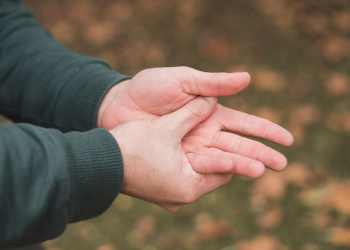
Trigger finger makes a finger get stuck in a bent position. It may straighten suddenly with a snap. The fingers most often affected are the ring finger and the thumb, but the condition can affect any finger.
Psoriatic arthritis is a type of arthritis that can affect people who have psoriasis. Homoeopathy treats psoriatic arthritis in such a way that psoriasis also gets treated along with it, preventing the cyclical appearance of symptoms.
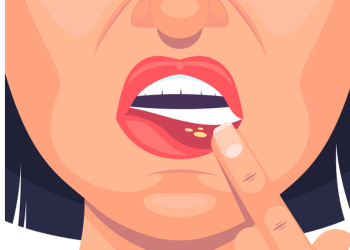
A mouth ulcer is a sore that appears anywhere inside your mouth. These sores are usually red, yellow or white, and you might have one or several.
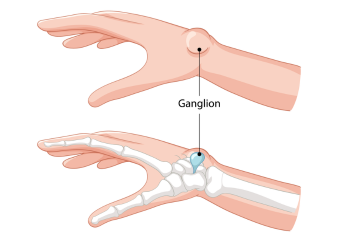
Ganglion cysts are lumps that most often appear along the tendons or joints of the wrists or hands. They can occur in the ankles and feet. Ganglion cysts are typically round or oval and are filled with a jellylike fluid. They are not cancer.
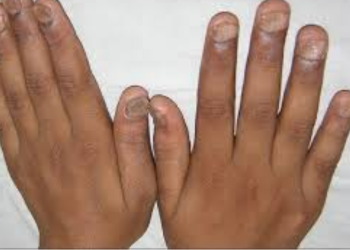
Koilonychia is indented nails. Instead of growing straight, your nails look concave, like spoons. In many people, koilonychia is a sign of iron deficiency. Usually, you can get rid of spoon nails by treating the underlying cause. Spoon nails in babies are fairly common. One study found that nearly 1 in 3 infants have spoon nails. Usually, babies’ nails flatten as they grow.
Hay fever, also called allergic rhinitis, causes cold-like symptoms. These may include a runny nose, itchy eyes, congestion, sneezing and sinus pressure. But unlike a cold, hay fever isn't caused by a virus. Hay fever is caused by an allergic response to a harmless outdoor or indoor substance the body identifies as harmful (allergen).
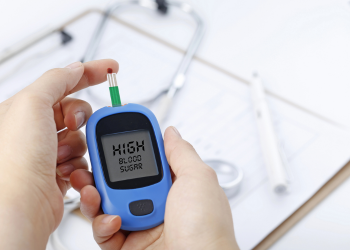
Over time, high blood sugar levels in type 2 diabetes can damage the eyes, kidneys, nerves and heart. This can happen because the pancreas doesn't make enough of a hormone called insulin that helps sugar enter the cells. It is also because the cells respond poorly to insulin by taking in less sugar.