
Psoriatic arthritis is a type of arthritis that can affect people who have psoriasis. Homoeopathy treats psoriatic arthritis in such a way that psoriasis also gets treated along with it, preventing the cyclical appearance of symptoms.
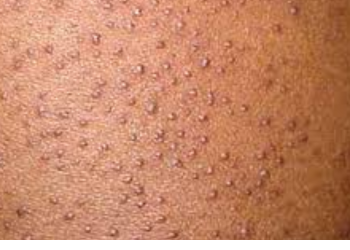
Psoriasis is a skin condition that causes itchy,
scaly patches on the skin. Most people
get psoriasis first, sometimes years before symptoms of psoriatic arthritis
start.
The main symptoms of psoriatic
arthritis are joint pain, stiffness and swelling. These symptoms can affect any
joint in the body. The symptoms of this condition can vary from mild to
serious. Like psoriasis, psoriatic arthritis often goes through cycles.
Sometimes symptoms flare up. Other times, they may ease or go away for a while.
Symptoms
Psoriatic arthritis and psoriasis
are long-term conditions that can get worse over time. But symptoms also can
come and go. You may have flare-ups where symptoms get worse. And you may have
periods of relief when symptoms improve or go away for a while.
Psoriatic arthritis can affect
joints on one or both sides of your body. Psoriatic arthritis shares some
symptoms with rheumatoid arthritis. In both conditions, joints may feel
painful, swollen and warm to the touch.
Psoriatic arthritis also may
cause:
Swollen fingers and toes. Fingers and toes may become
swollen and puffy, sometimes looking like sausages.
Foot pain. You may feel pain where tendons or ligaments
attach to bones. This condition is especially common at the back of the heel,
called Achilles tendinitis, or in the sole of the foot, called plantar
fasciitis.
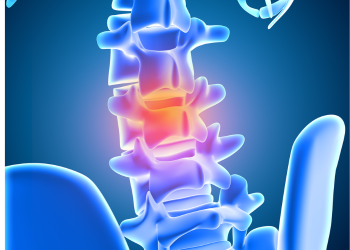
Lower back pain. Some people develop a condition called
spondylitis, which causes pain and stiffness in the spine and pelvis.
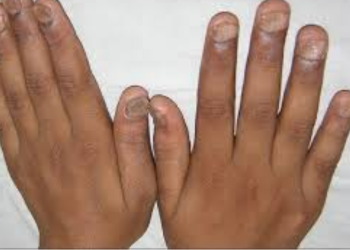
Changes in nails. Fingernails or toenails may develop tiny
dents, called pits. The nails may become brittle or crumbly, and they may start
to lift away from the skin underneath. These changes can look like a fungal
nail infection,
Eye inflammation. A condition called uveitis can cause red,
painful eyes and blurry vision. If not diagnosed and treated, it can lead to
vision loss.
Fatigue. Many people with psoriatic arthritis get very tired.
Causes
Psoriatic arthritis happens when
the immune system attacks healthy joints and skin by mistake. The immune system
is the part of the body that fights illness, but in psoriatic arthritis it
attacks healthy tissue. This causes swelling in the joints and makes the body
make too many skin cells.. But it seems to be linked to both your genes and
things in the environment. Many people with psoriatic arthritis have family
members with the condition or with psoriasis.
Certain genes may make someone
more likely to get the condition, including a gene that makes a protein called
HLA-B27. This protein is found on the surface of some white blood cells. It
plays a role in how the immune system works. HLA is short for human leukocyte
antigen. Testing to see if a person has HLA-B27 is called HLA typing. Not
everyone with this gene will develop psoriatic arthritis, and not everyone with
the disease has the gene.
For some people, things in the
environment — such as an injury, a virus or a bacterial infection — may trigger
psoriatic arthritis if they already have the genetic risk.
Risk factors
Psoriasis. Having psoriasis is the biggest risk factor.
Most people who get psoriatic arthritis already have this skin condition.
Family history. If a parent or sibling has psoriatic
arthritis, you have a higher chance of getting it too.
Age. Psoriatic arthritis can happen at any age,
but it typically starts between ages 30 and 55.
In some people, psoriatic
arthritis can cause pitted nails that are thickened and discolored.
Complications
In rare cases, psoriatic
arthritis can lead to a serious condition called arthritis mutilans. This form
of the disease causes severe pain and damage to the small bones in the hands,
especially the fingers. Over time, it can change the shape of the fingers and
make it hard to use the hands for everyday tasks.
Psoriatic arthritis also can be
associated with other conditions including:
High blood pressure, called hypertension.
Metabolic syndrome, which is a group of conditions
that raise the risk of heart disease.
Diabetes.
Heart disease.
Gout.
Anxiety and depression.
Investigations
HOMEOPATHIC
MEDICINES
SULPHUR
CALCAREA
CARBONICUM
THUJA