
Tinnitus is when
you experience ringing or other noises in one or both of your ears. The noise
you hear when you have tinnitus isn't caused by an external sound, and other
people usually can't hear it. Tinnitus is a common problem. It affects about
15% to 20% of people, and is especially common in older adults.
Tinnitus is usually
caused by an underlying condition, such as age-related hearing loss, an ear
injury or a problem with the circulatory system.
SYMPTOMS
Tinnitus is most
often described as a ringing in the ears,
However, tinnitus can also cause other types of phantom noises in your
ears, including:
Buzzing
Roaring
Clicking
Hissing
Humming
Most people who
have tinnitus have subjective tinnitus, or tinnitus that only you can hear. The
noises of tinnitus may vary in pitch from a low roar to a high squeal, and you
may hear it in one or both ears. In some cases, the sound can be so loud it interferes
with your ability to concentrate or hear external sound. Tinnitus may be
present all the time, or it may come and go.
In rare cases,
tinnitus can occur as a rhythmic pulsing or whooshing sound, often in time with
your heartbeat. This is called pulsatile tinnitus. If you have pulsatile
tinnitus, your doctor may be able to hear your tinnitus when he or she does an
examination (objective tinnitus
COMMON CAUSES OF TINNITUS
Hearing loss. There are tiny, delicate hair cells in your inner ear (cochlea)
that move when your ear receives sound waves. This movement triggers electrical
signals along the nerve from your ear to your brain (auditory nerve). Your
brain interprets these signals as sound.
If the hairs inside
your inner ear are bent or broken — this happens as you age or when you are
regularly exposed to loud sounds — they can "leak" random electrical
impulses to your brain, causing tinnitus.
Ear infection or ear canal blockage. Your ear
canals can become blocked with a buildup of fluid (ear infection), earwax, dirt
or other foreign materials. A blockage can change the pressure in your ear,
causing tinnitus.
Head or neck injuries. Head or neck
trauma can affect the inner ear, hearing nerves or brain function linked to
hearing. Such injuries usually cause tinnitus in only one ear.
Medications. A number of medications may cause or worsen tinnitus. Generally,
the higher the dose of these medications, the worse tinnitus becomes. Often the
unwanted noise disappears when you stop using these drugs.
Meniere's disease. Tinnitus can
be an early indicator of Meniere's disease, an inner ear disorder that may be
caused by abnormal inner ear fluid pressure.
Eustachian tube dysfunction. In this
condition, the tube in your ear connecting the middle ear to your upper throat
remains expanded all the time, which can make your ear feel full.
Ear bone changes. Stiffening of
the bones in your middle ear (otosclerosis) may affect your hearing and cause
tinnitus. This condition, caused by abnormal bone growth, tends to run in
families.
Muscle spasms in the inner ear. Muscles in
the inner ear can tense up (spasm), which can result in tinnitus, hearing loss
and a feeling of fullness in the ear. This sometimes happens for no explainable
reason, but can also be caused by neurologic diseases, including multiple sclerosis.
Temporomandibular joint (TMJ)
disorders. Problems with the TMJ, the joint on each side of your head in
front of your ears, where your lower jawbone meets your skull, can cause
tinnitus.
Acoustic neuroma or other head and
neck tumors. Acoustic neuroma is a noncancerous (benign) tumor that develops on
the cranial nerve that runs from your brain to your inner ear and controls
balance and hearing. Other head, neck or brain tumors can also cause tinnitus.
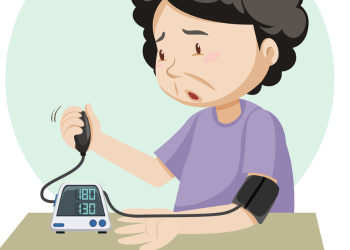
Blood vessel disorders. Conditions
that affect your blood vessels — such as atherosclerosis, high blood pressure,
or kinked or malformed blood vessels — can cause blood to move through your
veins and arteries with more force. These blood flow changes can cause tinnitus
or make tinnitus more noticeable.
Other chronic conditions. Conditions
including diabetes, thyroid problems, migraines, anemia, and autoimmune
disorders such as rheumatoid arthritis and lupus have all been associated with
tinnitus.
Loud noise exposure. Loud noises,
such as those from heavy equipment, chain saws and firearms, are common sources
of noise-related hearing loss. Portable music devices, such as MP3 players,
also can cause noise-related hearing loss if played loudly for long periods. People
who work in noisy environments — such as factory and construction workers,
musicians, and soldiers — are particularly at risk.
Age. As you age,
the number of functioning nerve fibers in your ears declines, possibly causing
hearing problems often associated with tinnitus.
Sex. Men are more
likely to experience tinnitus.
Tobacco and alcohol use. Smokers have
a higher risk of developing tinnitus. Drinking alcohol also increases the risk
of tinnitus.
Certain health problems. Obesity,
cardiovascular problems, high blood pressure, and a history of arthritis or
head injury all increase your risk of tinnitus.
COMPLICATIONS
Fatigue
Stress
Sleep problems
Trouble concentrating
Memory problems
Depression
Anxiety and irritability
Headaches
Problems with work and family life
PREVENTION
Use hearing protection. Over time,
exposure to loud sounds can damage the nerves in the ears, causing hearing loss
and tinnitus. Try to limit your exposure to loud sounds. And if you cannot
avoid loud sounds, use ear protection to help protect your hearing. If you use
chain saws, are a musician, work in an industry that uses loud machinery or use
firearms (especially pistols or shotguns), always wear over-the-ear hearing
protection.