
Alcohol use
disorder is a pattern of alcohol use that involves problems controlling your
drinking, being preoccupied with alcohol or continuing to use alcohol even when
it causes problems. This disorder also involves having to drink more to get the
same effect or having withdrawal symptoms when you rapidly decrease or stop
drinking. Alcohol use disorder includes a level of drinking that's sometimes
called alcoholism.
Unhealthy alcohol
use includes any alcohol use that puts your health or safety at risk or causes
other alcohol-related problems. It also includes binge drinking a pattern of
drinking where a male has five or more drinks within two hours or a female has
at least four drinks within two hours. Binge drinking causes significant health
and safety risks.
If your pattern of
drinking results in repeated significant distress and problems functioning in
your daily life. However, even a mild disorder can escalate and lead to serious
problems, so early treatment is important.
Symptoms
Being unable to limit the amount of alcohol you
drink
Wanting to cut down on how much you drink or making
unsuccessful attempts to do so
Spending a lot of time drinking, getting alcohol or
recovering from alcohol use
Feeling a strong craving or urge to drink alcohol
Failing to fulfil major obligations at work, school
or home due to repeated alcohol use
Continuing to drink alcohol even though you know
it's causing physical, social, work or relationship problems
Giving up or reducing social and work activities
and hobbies to use alcohol
Using alcohol in situations where it's not safe,
such as when driving or swimming
Developing a tolerance to alcohol so you need more
to feel its effect, or you have a reduced effect from the same amount
Experiencing withdrawal symptoms such as nausea, sweating and shaking when you don't drink, or drinking to avoid
these symptoms
Alcohol use
disorder can include periods of being drunk (alcohol intoxication) and symptoms
of withdrawal.
Alcohol intoxication results as
the amount of alcohol in your bloodstream increases. The higher the blood
alcohol concentration is, the more likely you are to have bad effects. Alcohol
intoxication causes behavior problems and mental changes. These may include
inappropriate behavior, unstable moods, poor judgment, slurred speech, problems
with attention or memory, and poor coordination. also have periods called
"blackouts," where you don't remember events. Very high blood alcohol
levels can lead to coma, permanent brain damage or even death.
Alcohol withdrawal can occur
when alcohol use has been heavy and prolonged and is then stopped or greatly
reduced. It can occur within several hours to 4 to 5 days later. Signs and
symptoms include sweating, rapid heartbeat, hand tremors, problems sleeping,
nausea and vomiting, hallucinations, restlessness and agitation, anxiety, and
occasionally seizures. Symptoms can be severe enough to impair your ability to
function at work or in social situations.
Causes
Genetic,
psychological, social and environmental factors can impact how drinking alcohol
affects your body and behaviour.
Over time, drinking
too much alcohol may change the normal function of the areas of your brain
associated with the experience of pleasure, judgment and the ability to
exercise control over your behaviour. This may result in craving alcohol to try
to restore good feelings or reduce negative ones.
Risk factors
Alcohol use may begin in the teens, but alcohol use disorder occurs more
frequently in the 20s and 30s, though it can start at any age.
Risk factors for
alcohol use disorder include:
Steady drinking over time. Drinking too
much on a regular basis for an extended period or binge drinking on a regular
basis can lead to alcohol-related problems or alcohol use disorder.
Starting at an early age. People who
begin drinking especially binge drinking at an early age are at a higher risk
of alcohol use disorder.
Family history. The risk of
alcohol use disorder is higher for people who have a parent or other close
relative who has problems with alcohol. This may be influenced by genetic
factors.
Depression and other mental health
problems. It's common for people with a mental health disorder such as
anxiety, depression, schizophrenia or bipolar disorder to have problems with
alcohol or other substances.
History of trauma. People with a
history of emotional trauma or other trauma are at increased risk of alcohol
use disorder.
Having bariatric surgery. Some research
studies indicate that having bariatric surgery may increase the risk of
developing alcohol use disorder or of relapsing after recovering from alcohol
use disorder.
Social and cultural factors. Having
friends or a close partner who drinks regularly could increase your risk of
alcohol use disorder. The glamorous way that drinking is sometimes portrayed in
the media also may send the message that it's OK to drink too much. For young
people, the influence of parents, peers and other role models can impact risk.
Complications
Alcohol depresses
your central nervous system. In some people, the initial reaction may feel like
an increase in energy. But as you continue to drink, you become drowsy and have
less control over your actions.
Too much alcohol
affects your speech, muscle coordination and vital centers of your brain. A
heavy drinking binge may even cause a life-threatening coma or death. This is
of particular concern when you're taking certain medications that also depress
the brain's function.
Impact on your safety
Excessive drinking
can reduce your judgment skills and lower inhibitions, leading to poor choices
and dangerous situations or behaviors, including:
Motor vehicle accidents and other types of
accidental injury, such as drowning
Relationship problems
Poor performance at work or school
Increased likelihood of committing violent crimes
or being the victim of a crime
Legal problems or problems with employment or
finances
Problems with other substance use
Engaging in risky, unprotected sex, or experiencing
sexual abuse or date rape
Increased risk of attempted or completed suicide
Impact on your health
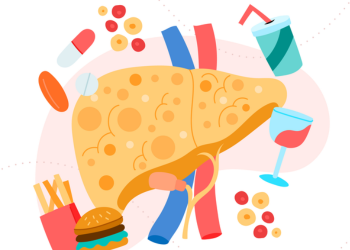
Liver disease. Heavy
drinking can cause increased fat in the liver (hepatic steatosis) and
inflammation of the liver (alcoholic hepatitis). Over time, heavy drinking can
cause irreversible destruction and scarring of liver tissue (cirrhosis).
Digestive problems. Heavy
drinking can result in inflammation of the stomach lining (gastritis), as well
as stomach and esophageal ulcers. It can also interfere with your body's
ability to get enough B vitamins and other nutrients. Heavy drinking can damage
your pancreas or lead to inflammation of the pancreas (pancreatitis).
Heart problems. Excessive
drinking can lead to high blood pressure and increases your risk of an enlarged
heart, heart failure or stroke. Even a single binge can cause serious irregular
heartbeats (arrhythmia) called atrial fibrillation.
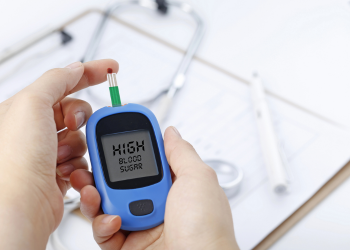
Diabetes complications. Alcohol
interferes with the release of glucose from your liver and can increase the
risk of low blood sugar (hypoglycemia). This is dangerous if you have diabetes
and are already taking insulin or some other diabetes medications to lower your
blood sugar level.
Issues with sexual function and
periods. Heavy drinking can cause men to have difficulty maintaining an
erection (erectile dysfunction). In women, heavy drinking can interrupt
menstrual periods.
Eye problems. Over time,
heavy drinking can cause involuntary rapid eye movement (nystagmus) as well as
weakness and paralysis of your eye muscles due to a deficiency of vitamin B-1
(thiamin). A thiamin deficiency can result in other brain changes, such as
irreversible dementia, if not promptly treated.
Birth defects. Alcohol use
during pregnancy may cause miscarriage. It may also cause fetal alcohol
spectrum disorders (FASDs). FASDs can cause a child to be born with
physical and developmental problems that last a lifetime.
Bone damage. Alcohol may
interfere with making new bone. Bone loss can lead to thinning bones
(osteoporosis) and an increased risk of fractures. Alcohol can also damage bone
marrow, which makes blood cells. This can cause a low platelet count, which may
result in bruising and bleeding.
Neurological complications. Excessive
drinking can affect your nervous system, causing numbness and pain in your
hands and feet, disordered thinking, dementia, and short-term memory loss.
Weakened immune system. Excessive
alcohol use can make it harder for your body to resist disease, increasing your
risk of various illnesses, especially pneumonia.
Increased risk of cancer. Long-term,
excessive alcohol use has been linked to a higher risk of many cancers,
including mouth, throat, liver, oesophagus, colon and breast cancers. Even
moderate drinking can increase the risk of breast cancer.
Medication and alcohol interactions. Some
medications interact with alcohol, increasing its toxic effects. Drinking while
taking these medications can either increase or decrease their effectiveness,
or make them dangerous.
Prevention
Early intervention
can prevent alcohol-related problems in teens.
Loss of interest in activities and hobbies and in
personal appearance
Red eyes, slurred speech, problems with
coordination and memory lapses
Difficulties or changes in relationships with
friends, such as joining a new crowd
Declining grades and problems in school
Frequent mood changes and defensive behavior
You can help
prevent teenage alcohol use:
Set a good example with your own alcohol use.
Talk openly with your child, spend quality time
together and become actively involved in your child's life.
Let your child know what behaviour you expect — and
what the consequences will be for not following the rules.
Diagnosis
Ask you some questions related to
your drinking habits. The provider may ask for permission to speak with family members
or friends. However, confidentiality laws prevent your provider from giving out
any information about you without your consent.
Perform a physical exam. Your health
care provider may do a physical exam and ask questions about your health. There
are many physical signs that indicate complications of alcohol use.
Suggest lab tests and imaging tests. While there
are no specific tests to diagnose alcohol use disorder, certain patterns of lab
test results may strongly suggest it. And you may need tests to identify health
problems that may be linked to your alcohol use. Damage to your organs may be
seen on tests.
Complete a psychological evaluation. This
evaluation includes questions about your symptoms, thoughts, feelings and behaviour
patterns. You may be asked to complete a questionnaire to help answer these
questions.
Treatment
Treatment for
alcohol use disorder can vary, depending on your needs. Treatment may involve a
brief intervention, individual or group counselling, an outpatient program, or
a residential inpatient stay. Working to stop alcohol use to improve quality of
life is the main treatment goal.
Treatment for
alcohol use disorder may include:
Detox and withdrawal. Treatment may
begin with a program of detoxification — withdrawal that's medically managed.
Sometimes called detox, this generally takes 2 to 7 days. You may need to take
sedating medications to prevent withdrawal symptoms. Detox is usually done at
an inpatient treatment center or a hospital.
Learning new skills and making a
treatment plan. This process usually involves alcohol treatment specialists. It
may include goal setting, behavior change techniques, use of self-help manuals,
counseling and follow-up care at a treatment center.
Psychological counseling. Counseling
and therapy for groups and individuals help you better understand your problem
with alcohol and support recovery from the psychological aspects of alcohol
use. You may benefit from couples or family therapy family support can be an important part of
the recovery process.
Oral medications.
Injected medication.
Continuing support. Aftercare
programs and support groups help people recovering from alcohol use disorder to
stop drinking, manage relapses and cope with necessary lifestyle changes. This
may include medical or psychological care or attending a support group.
Treatment for psychological problems. Alcohol use
disorder commonly occurs along with other mental health disorders. If you have
depression, anxiety or another mental health condition, you may need talk
therapy (psychotherapy), medications or other treatment.
Medical treatment for health
conditions. Many alcohol-related health problems improve significantly once
you stop drinking. But some health conditions may warrant continued treatment
and follow-up care.
Spiritual practice. People who
are involved with some type of regular spiritual practice may find it easier to
maintain recovery from alcohol use disorder or other addictions. For many
people, gaining greater insight into their spiritual side is a key element in
recovery.
Residential treatment programs.
HOMEOPATHY MEDICINES
ACIDUM SULPHURICUM
QUERCUS
SYPHILINUM